Scottsdale Real Estate & Community News

Scottsdale real estate is always at the top of mind for The Kay-Grant Group as we assist a lot of individuals every month interested in finding or selling their next piece of Arizona real estate; whether that's looking for Old Town Scottsdale condos for sale, a downtown Phoenix loft for sale, or selling their house in northern Phoenix. The Kay-Grant Group are your premier Scottsdale Realtors.

This blog focuses on topics relevant to the Scottsdale and Phoenix metro real estate community as well as to those residing in The Valley that are interested in things to do around The Valley or the general going-ons in Phoenix and Scottsdale.

Need a Good Real Estate Agent?

If you're interested in purchasing a home and would like to work with premier Scottsdale Realtors, please Contact Us and we can get you setup on a custom search. If you have any interest in selling your home, or just want to know what it's worth, Contact Us and we'll perform a market valuation to let you know what we believe your house, condo, or townhouse could sell for.

Dec. 17, 2025

Four-Bedroom Multigenerational Buckeye Home for Sale

four bedroom Buckeye home for sale with a one bedroom attached apartment

Multigenerational Buckeye Home for Sale


Are you searching for multigenerational housing or a home that offers income potential through a fully attached one-bedroom apartment?

This Buckeye home just hit the market!

Located in Arroyo Seco, the main home has three bedrooms, two bathrooms, and contemporary finishes.

Key features:

• Covered front entry with arched doorway

• Desert landscaping and strong curb appeal

• Open-concept living and dining area

• Kitchen with white cabinetry

• Granite countertops

• Ample counter space

• Breakfast bar

• Stainless steel appliances

• Secondary kitchen

• Primary bedroom with walk-in closet

• Primary bathroom with dual sinks

• Granite bathroom counters

• Private toilet room

• Glass-enclosed walk-in shower

• Covered backyard patio

• Blank-slate backyard

• Gated side yard access

Located near Verrado at Osborn and 199th Avenue, the home is near Verrado Golf Club, I-10, and Loop 303.

Interested in Viewing this Buckeye Home for Sale?

The address is 19948 W Flower St, Buckeye, AZ 85396. The list price is $535,000.

Click here to view additional photos. To schedule a showing, please call Mary Trujillo at 623-693-1615 or fill out our Contact Form.


Dec. 8, 2025

What Happens During Probate in Arizona Without a Will?

A family meeting with a real estate professional at a table with an Arizona home visible through the window, representing support for families navigating probate without a will.

Helping You Navigate Probate in Arizona Without a Will

Families face confusion when a loved one passes with no will in place. Probate in Arizona without a will controls the timelines for distribution and the steps that decide when a home can be sold.

Families in Maricopa County often seek direct guidance because real estate adds pressure to an already stressful situation. The Kay-Grant Group helps families navigate these decisions every day. 

Understanding Probate in Arizona Without a Will

Intestate probate applies when someone passes without a will. 

The Arizona probate court follows state succession laws to determine the order of heirs. 

The court appoints a personal representative who manages the estate. The representative handles notices, deadlines, debts, and the property. 

Real estate follows court supervision from start to finish because the title cannot change until the court issues approval.

If you want to explore ways families can prevent probate altogether, see our guide on avoiding probate in Arizona.


Have questions about an inherited home?

Call 602-574-9587


How Is a Personal Representative Chosen When There Is No Will in Arizona?

When someone passes without a will, the court must choose a personal representative to manage the estate. 

If families agree on who should serve, the court usually approves that choice before turning to the legal priority list.

The court follows Arizona law and moves through a series of groups until it finds someone qualified and willing to serve.

Spouse:

If a spouse exists and is willing to serve, the court often selects them first.

Heirs:

If no spouse is available, the court turns to the heirs. This group may include adult children, parents, or siblings, depending on the family structure. The court chooses someone who can manage the estate’s responsibilities.

Veteran-related appointment:

In limited situations, the court may consider a state agency connected to veteran services. This applies when the person who passed, or their close family member, qualifies under veteran rules.

Creditor:

A creditor may request appointment after a waiting period when no family member or eligible agency comes forward.

Public fiduciary:

The court appoints a public fiduciary when no one else is available or able to serve.

The personal representative gains legal authority to secure the home, gather financial records, communicate with the court, and complete required probate steps.

A person holding a single estate file while standing outside an Arizona home, symbolizing the court giving authority to a personal representative when no will exists.

Learn more about selling a probate home in Arizona

How Real Estate Is Handled When There Is No Will

Real estate adds more steps because the court must review how the home is valued, handled, and sold.

  • More heirs may need to agree on decisions about the probate property.
  • The court increases its oversight to make sure the process follows Arizona estate laws.
  • A probate real estate agent helps the representative with valuation, pricing, and preparation for the sale process.
  • The home often needs to be sold so that heirs can receive equal shares of the estate.
  • The title company manages the transfer steps inside the closing process and confirms that every step follows court instructions.

Some families avoid probate altogether by placing property into a trust. Learn more about how trusts help families bypass probate in Arizona.

Steps to Sell a Home During Probate in Arizona Without a Will

Families often need a direct list of the steps involved in a probate sale. These steps describe the process used in most Maricopa County cases.

  1. The court appoints a personal representative who has the legal authority to act on behalf of the estate.
  2. The representative secures the home and orders a valuation through an appraiser or qualified agent.
  3. The probate attorney identifies the documents needed for a court-approved sale.
  4. The agent lists the home and presents it to qualified buyers.
  5. The court reviews the accepted offer and confirms the sale.
  6. The title company completes the closing process and sends proceeds to the estate for distribution to heirs.

To see how an estate-related sale can move quickly when managed properly, explore our Arizona trust sale case study.

A real estate professional standing outside an Arizona home and speaking to the camera, representing guidance for families navigating probate without a will.

Who Legally Inherits the Home in Arizona When No Will Exists?

Arizona uses intestate succession laws that direct the order of inheritance. 

These rules come from statute and control every estate with no will. 

The Maricopa County Superior Court generally follows these laws.

Spouse:

A surviving spouse may receive the full interest when the couple shares all children. 

If either spouse has children from other relationships, the spouse receives a portion, and the children receive the remainder.

Children:

Children inherit next in line. 

Blended family structures can shift percentages. 

For example, if a parent passes and leaves a spouse and two adult children from a prior marriage. The spouse receives part of the estate, and the children receive the rest.

Parents:

Parents inherit when the deceased has no spouse or children.

Siblings:

Siblings inherit when the deceased has no spouse, children, or parents.

Blended families create more questions, and the court applies Arizona statutes to each scenario. 

Real estate often triggers disagreement, which leads to delays. 

Greater Phoenix cases often involve homes with no mortgage or homes held through long-term ownership. These homes carry strong financial value for heirs, and disputes arise if heirs want different outcomes.

Common Probate Challenges and Tips for Arizona Families

Families benefit from direct steps that reduce slowdowns.

  1. Identify all heirs early. Missing an heir causes long delays.
  2. Gather mortgage statements, insurance details, tax records, and utility accounts.
  3. Keep communication open inside the family. Clear updates prevent arguments.
  4. Work with a probate real estate agent who understands court rules in Arizona.
  5. Prepare for possible disagreements inside blended families. Real estate often is the largest asset.

A desert road at sunset leading to an Arizona home, symbolizing progress through the probate process.

How to Avoid Common Probate Mistakes

Families can avoid delays and stress when they understand the most common mistakes in a probate home sale.

  • Leaving the home vacant for long periods. Vacant homes face insurance gaps, vandalism risk, and maintenance problems.
  • Letting the insurance lapse. The estate requires active coverage until the sale is closed.
  • Missing key documents. The personal representative should gather mortgage statements, tax records, and insurance details early.
  • Ignoring disagreements. Small issues can grow rapidly within blended families. Early communication keeps the process moving.
  • Listing the home before the court grants authority. The personal representative must wait for legal approval before signing any listing paperwork.

Clear steps prevent delays and protect the estate from avoidable problems.

Explore probate homes for sale in Arizona

FAQs

What is probate in Arizona without a will?

It is the court process that follows Arizona intestate succession laws to identify heirs, appoint a personal representative, and oversee how the estate, including real estate, is handled.

Who inherits a home in Arizona if there is no will?

Arizona law sets the order of inheritance. A spouse, children, parents, or siblings inherit based on family structure and the type of property involved.

Can a probate property be sold without all heirs agreeing?

Yes, the court can authorize a sale when it benefits the estate, even if some heirs disagree.

How long does probate take in Arizona without a will?

Most cases take six to twelve months, although disputes or missing documents can extend the timeline.

Do you need a probate real estate agent for an intestate property sale?

It is strongly recommended. A probate real estate agent understands valuation rules, sale requirements, and court expectations.

What role does the Arizona probate court play in selling the home?

The court confirms the personal representative, approves the sale, and orders the final distribution of the proceeds.

Support for Families Navigating Probate Without a Will

Families face difficult choices when a home enters probate with no will. 

The process becomes easier when the steps stay clear, and the right team provides direction. 

The Kay-Grant Group Probate Division supports families in Maricopa County through each stage of the sale and offers guidance for complex cases.

If you need help with an inherited property, our team specializes in selling inherited homes in Arizona.

Call us at 602-574-9587 or fill out our contact form.


Published by The Kay-Grant Group Probate Division, Scottsdale Real Estate Experts

See our verified business page on Google for 5-star reviews and local expertise.


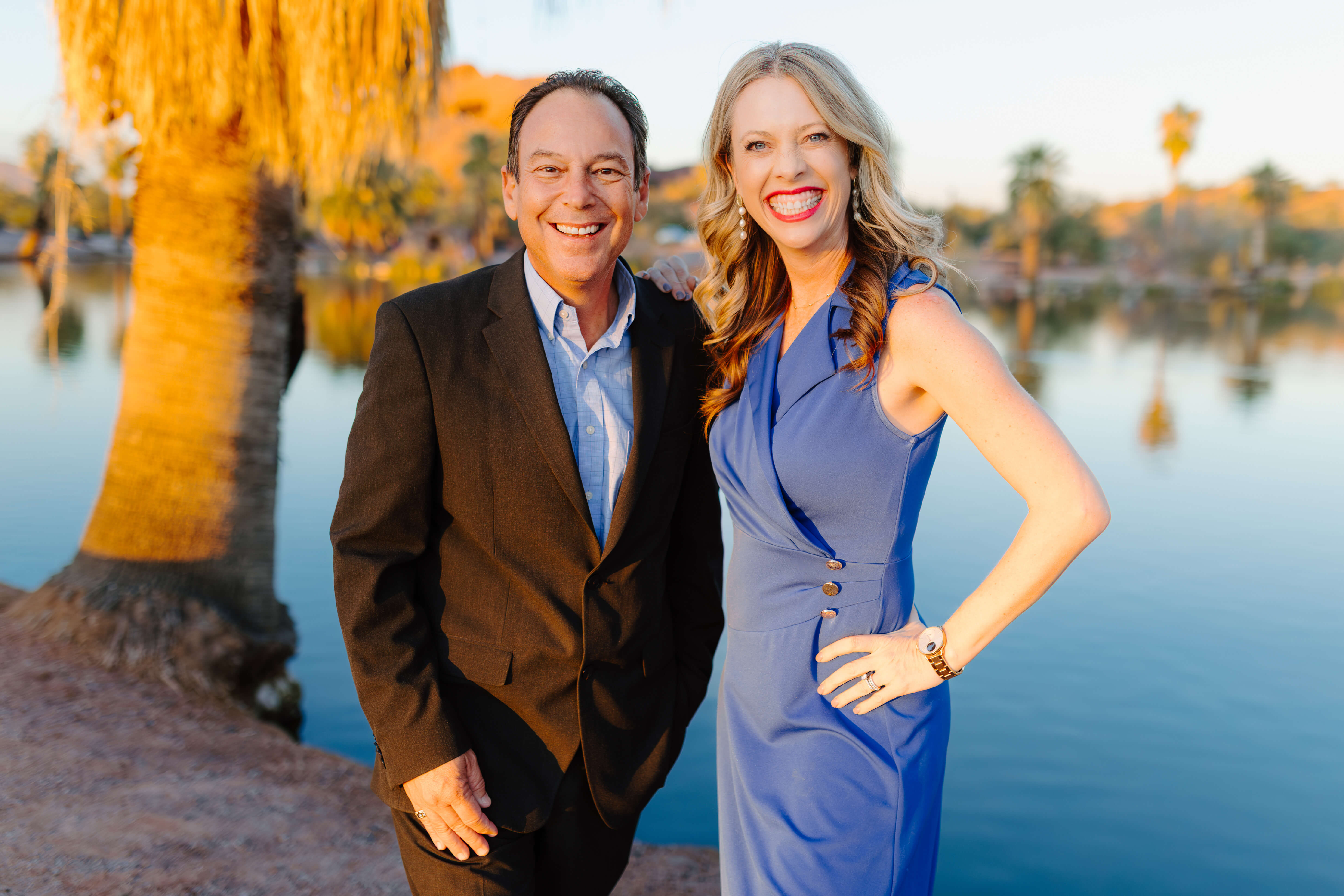
Arizona Probate Specialists in Maricopa County Ron Pacioni and Andrea Lilienfeld

Arizona probate specialists Ron Pacioni and Andrea Lilienfeld provide clear, local guidance for families managing inherited property. Call 602-574-9587.



Nov. 19, 2025

Waterfront Phoenix Home for Sale

Phoenix waterfront home for sale

Two-Bedroom Phoenix Home for Sale

This Phoenix waterfront home has just hit the market!

The immaculate, fully updated property sits on a quiet cul-de-sac with peaceful lake views from atrium windows and a covered patio overlooking the lake.

Key features:

  • Waterfront lot
  • Atrium windows with lake views
  • Covered patio facing the water
  • Wrought iron fence 
  • Newer appliances
  • Fresh interior paint
  • Skylights
  • Loft area
  • Fireplace
  • Oversized walk-in shower with built-in bench

Community amenities:

  • Pool
  • Tennis courts
  • Game room

Located off 29th Avenue and Cholla Street, this home is close to local restaurants, shops, and convenient Phoenix amenities.

Interested in viewing this Phoenix home for sale?

Click here to learn more about this Phoenix home for sale.

Join us for our open house this Saturday, November 22nd, from 11 am to 2 pm.

The list price is $398,900. To schedule a showing, call Julie Jarmiolowski at 602-663-5256 or fill out our Contact Form.


Nov. 17, 2025

How to Avoid Probate in Arizona

Real estate professional guiding a client through the probate home sale process in Arizona

How to Avoid Probate in Arizona & What to Do If You Can't

Losing someone is hard enough without the added burden of court paperwork, frozen accounts, and legal deadlines. 

Probate can take months in Arizona and often catches families by surprise. At The Kay-Grant Group Probate Division, we help clients understand the process and guide them through the sale of probate property in Maricopa County.

Watch Ron Pacioni, Head of The Kay-Grant Group Probate Division, explain how our team helps Arizona families navigate probate real estate.


Have questions about your probate property? 

Call 602-574-9587 to connect with The Kay-Grant Group Probate Division for immediate guidance.


Ron Pacioni, Head of The Kay-Grant Group Probate Division in Scottsdale, Arizona

Ron Pacioni leads The Kay-Grant Group Probate Division, giving Arizona families clear, supportive guidance through probate real estate.

Understanding Probate in Arizona

Probate is the legal process that transfers ownership of a person’s assets after death. 

It happens when property, accounts, or valuables remain in a person’s name at the time of passing. The court confirms the will, pays debts, and then authorizes asset distribution through a court-appointed executor or personal representative.

Arizona offers two primary types of probate: informal and formal. 

Informal probate applies when no one contests the will, and the process runs smoothly. 

Formal probate occurs when disputes, missing documents, or complex assets require oversight by the Maricopa County Superior Court.

The court ensures accurate filings and authorizes all property transfers.

Real estate often triggers probate because it cannot be divided or cashed out like an account. Even a well-written will must go through probate if the property title remains in the deceased person’s name. 

The Arizona probate court reviews each case and confirms that the estate meets every legal requirement.

The Kay-Grant Group has helped Arizona families navigate probate real estate for years, combining market expertise with court-required compliance.

 Maricopa County Superior Court building in Phoenix, Arizona where probate cases are filed

How to Avoid Probate in Arizona

Many families want to spare their heirs the delays and expenses of probate. 

The reasons to avoid probate often include privacy, time, and cost. Several strategies can transfer assets directly and keep them out of court.

1. Create a Living Trust

A living trust holds property while the owner is alive and passes it to beneficiaries after death. Because the trust owns the property, no court involvement is needed. The home transfers privately and quickly under the guidance of a trustee.

2. Record a Beneficiary Deed

Arizona allows Transfer-on-Death Deeds, sometimes called beneficiary deeds. 

This deed lists who inherits the property. 

When the owner passes, the title automatically moves to the named person. The process does not require the courts to be involved.

3. Add Joint Tenancy with Right of Survivorship

Two or more owners can hold property together. 

When one dies, the other automatically receives ownership. Joint tenancy avoids probate entirely as long as the title clearly states “right of survivorship.”

4. Name Beneficiaries on Financial Accounts

Bank accounts, retirement funds, and insurance policies allow beneficiary designations. 

These assets pass directly to the named individuals and never enter the estate.

5. Transfer Property During Life

Some people choose to gift property while still living. 

Doing so removes it from the estate and avoids future probate. 

Legal and tax advice from an experienced attorney is essential before using this option.

Even careful planning cannot always prevent probate. Property titles, disputes, or overlooked assets can still send a case into court.

When You Cannot Avoid Probate in Arizona

Certain situations require probate, no matter how much preparation occurs. 

Property held only in the deceased person’s name usually triggers it. 

The same applies when a trust or beneficiary deed was never recorded. 

Probate also becomes necessary if multiple heirs cannot agree on how to divide assets.

In Arizona, estates that exceed small-estate limits or involve real estate always pass through the court. 

The process verifies ownership, ensures debt repayment, and protects all parties legally. 

Although time-consuming, probate provides a structured way to handle property correctly.

Families who inherit homes often find themselves in this situation. They must secure the property, gather legal documents, and eventually sell or distribute the home through probate court approval. 

The court may appoint a personal representative who works with a title company, real estate agent, and probate attorney to complete the sale.

Learn more about selling a probate home in Arizona

Selling a Home During Probate

Selling a home through probate can feel complicated, yet it does not have to be. 

Our team specializes in helping families sell homes through probate with confidence and compliance.


Below is a brief overview of how the Arizona probate home sale process works.

Infographic showing five steps to sell a home during probate in Arizona

Here’s a closer look at each step in the process.

Appointment of the Personal Representative

The court designates a person to manage the estate. That individual signs documents, collects valuations, and represents the estate in all transactions.

Property Valuation

A licensed appraiser or experienced agent determines the market value of the home. This step helps set expectations for the upcoming estate sale.

Court Authorization

Before any sale, the court grants written permission to list or accept offers.

Listing and Marketing

The Kay-Grant Group markets probate homes across Arizona, ensuring fair exposure, accurate documentation, and adherence to court-approved sale procedures.

Closing and Fund Distribution

Once the sale closes, the title company ensures all liens and fees are cleared. The remaining proceeds move to the heirs through the closing process, as ordered by the Arizona probate court.

Selling a home during probate can feel complex, but the right guidance shortens the timeline and reduces stress. The Kay-Grant Group Probate Division works closely with attorneys, buyers, and title professionals to keep every step transparent and efficient.

If you inherited a property and need a clear overview, watch our YouTube video Did You Inherit a Home? | Does the Probate Process Have You Confused? for quick direction on next steps in Arizona probate.

Every probate sale has its own timeline, and understanding the process can help families stay organized and confident throughout.

Learn more about selling a probate home in Arizona and how our Probate Division streamlines each step of the sale.

How Long Probate Takes in Arizona

Most probate cases last between six months and one year. 

Simple estates finish sooner when paperwork and cooperation remain consistent. Disputes, title errors, or tax complications can extend the process. 

Starting the property valuation and sale early often speeds up closing and helps heirs receive proceeds faster.

The Maricopa County Superior Court tracks filing deadlines closely. 

Missing one can delay the final distribution. Our Probate Division works closely with probate attorneys to ensure deadlines stay on track and court requirements are met.

FAQs

Q. Is probate required in Arizona if a will exists?

A. Yes. Even with a will, probate may still occur when real estate remains solely in the deceased person’s name.

Q. Does naming a beneficiary avoid probate?

A. It can for accounts or deeds with designated beneficiaries. The title or account transfers directly after death.

Q. Does a will avoid probate in Arizona?

A. A will outlines distribution wishes, but cannot bypass the court if the estate includes real estate.

Q. What are the main reasons to avoid probate?

A. Avoiding probate saves time, reduces attorney fees, and keeps financial matters private.

Q. How does real estate affect probate in Arizona?

A. Real estate often requires court supervision since ownership must legally change through an official order.

What to Do Next

Probate does not have to feel overwhelming. 

The Kay-Grant Group Probate Division helps families across Maricopa County manage every stage with professionalism and empathy. 

Our specialists handle valuations, marketing, and closings so clients can focus on their families and next steps.

If you’re ready to start or have questions about your situation, call us to connect with our Probate Division specialists today.

Explore probate homes for sale in Arizona 

Published by The Kay-Grant Group Probate Division, Scottsdale Real Estate Experts

See our verified business page on Google for 5-star reviews and local expertise.


Arizona probate real estate specialists ron pacioni and andrea lilienfeld

Arizona probate specialists Ron Pacioni and Andrea Lilienfeld provide clear, local guidance for families managing inherited property. Call 602-574-9587.



Nov. 10, 2025

North Phoenix Condo for Sale in the Paradise Valley Hub

North Phoenix condo for sale

Two-Bedroom North Phoenix Condo for Sale 

𝐓𝐡𝐢𝐬 𝐨𝐧𝐞’𝐬 𝐟𝐫𝐞𝐬𝐡 𝐨𝐟𝐟 𝐭𝐡𝐞 𝐌𝐋𝐒! 

Check out this two-bedroom luxury condo at Addera, a Phoenix gated community!

The Phoenix condo is near Scottsdale Quarter and Kierland and boasts a contemporary split floor plan and resort-style amenities 

Key features of this North Phoenix condo

  • Move-in ready
  • Fully remodeled interior
  • First-floor corner unit
  • Modern split floor plan
  • Completely remodeled kitchen
  • Upgraded flooring throughout
  • Plantation shutters
  • Bright, open layout
  • Gas fireplace
  • Spacious covered patio

Community Amenities

  • Gated community
  • Heated pool
  • Full fitness center
  • Secure access
  • Underground parking with elevator access
  • Borders Stonecreek Golf Course
  • HOA includes water, gas, cable, and exterior maintenance
  • Walkable to Trevor’s, The Federal, shopping, and dining
  • Minutes from Whole Foods, Scottsdale Quarter, and Kierland

Interested in This North Phoenix Condo for Sale?

The address is 11640 N Tatum Boulevard #1082, Phoenix, AZ 85028, and the list price is $419,900.

Click here for more information on this North Phoenix condo for sale.

To schedule a showing, call Kelly Fitzmaurice at 480-265-1111 or fill out our Contact Form.


Nov. 9, 2025

Sun City Townhome for Sale in Arizona 55+ Community

sun city real estate

Sun City, Arizona 55+ Community Townhome For Sale

Ready to start living your best life in Sun City’s 55-plus community?

If you answered yes, your next home just went live!

This turnkey Sun City townhome boasts updated features and resort-style amenities!

Key Features:

  • Freshly painted interior
  • Newer wood-like flooring
  • Updated bathrooms
  • New blinds
  • New water heater
  • In-unit washer and dryer
  • Spacious primary suite
  • Bright, open layout
  • Private patio 

Community Amenities

  • Tennis courts
  • Racquetball courts
  • Pickleball courts
  • Fitness centers
  • Community lake
  • Community laundry
  • Spa
  • Golf courses
  • Near the bus stop
  • Clubhouse
  • Clubs and activities


Interested in This Sun City Townhome for Sale?

The address is 13621 N 98th Avenue Unit H, Sun City, AZ 85351, and the list price is $210,000.

Click here for more information on this Sun City home for sale. To schedule a showing, call Laura Patterson at 815-545-4048 or fill out our Contact Form.


Nov. 7, 2025

JUST LISTED: Two-Bedroom Scottsdale Luxury Condo

scottsdale luxury condo for sale

Optima Camelview Condo Just Listed

The internet's favorite new listing!

This Optima Camelview luxury condo features an open floor plan, floor-to-ceiling windows, and an expansive covered balcony overlooking the resort-style pool. 

Key features:

  • Tray ceilings
  • Quartz countertops
  • Designer finishes
  • Tile flooring
  • Primary suite with spa-inspired bath
  • Two garage spaces
  • Expansive covered balcony
  • Poolside views

Optima Camelview amenities: 

  • Two outdoor pools
  • Indoor lap pool
  • Spas
  • Steam rooms
  • State-of-the-art fitness center
  • Basketball courts
  • Racquetball courts
  • Pickleball
  • Putting green
  • Concierge services
  • On-site restaurant

Optima Camelview is situated on Scottsdale Road and Highland Avenue, near several championship golf courses, and offers access to all that Old Town Scottsdale and Scottsdale Fashion Square have to offer.

Interested in Viewing this Optima Camelview Condo?

The address is 7167 E Rancho Vista Drive  #2005, Scottsdale, AZ 85251. The list price is $1,150,000.

Click here to learn more about this Scottsdale luxury condo. 

Join us on Sunday for our Open House from 11 am to 3 pm at Optima’s on-site restaurant, Metropolis. 

To schedule a showing, call Julie Jarmiolowski

 at 602-663-5256 or fill out our Contact Form.


Oct. 29, 2025

Understanding the Arizona Probate Home Sale Process

Arizona Probate Home Sale

What You Need to Know About an Arizona Probate Home Sale

If you’re facing an Arizona probate home sale, understanding the process can help you avoid costly mistakes. 

A probate home sale happens when a homeowner passes away, and the property must go through court supervision before it can be sold. 

This usually occurs when the owner did not place the property in a trust or hold it in a form of ownership that transfers automatically, such as joint tenancy or community property with right of survivorship.

Many people assume that having a will avoids probate, but that is not true. 

A will only states who should receive the property after death; it does not transfer ownership by itself. 

The court still needs to review the will, confirm its validity, and authorize the transfer or sale of the home.

In Arizona, the probate process ensures that the estate is handled properly and that heirs, creditors, and anyone with a legal interest are treated fairly. 

Each step must follow state law, from appointing a representative to transferring ownership. 

Knowing what to expect and who is involved can make the process easier to manage and far less intimidating.

Have questions? Call our probate team at 602-574-9587

How the Arizona Probate Process Works

Understanding the Probate Process

The probate process in Arizona is the legal procedure that transfers ownership of an estate property after someone dies. 

If the home wasn’t placed in a trust before the owner’s passing, the court must step in to supervise the transfer or sale. 

The court reviews the will, identifies the rightful heirs, and ensures that debts and taxes are paid. 

Once this is complete, the court gives authority to an executor or personal representative. This is the person responsible for managing the estate. That person handles the property, pays expenses, and moves forward with a sale once the court gives approval.

When Is a Probate Sale Required?

arizona probate home sale

A probate sale becomes necessary when the deceased person was the only one listed on the property title. 

In that situation, ownership hasn’t yet transferred to any heir, so the court must authorize the transfer or sale through the probate process. 

Until the court gives that approval, the property legally belongs to the estate, not to any individual heir.

Certain ownership arrangements can avoid this entirely. 

Joint ownership, community property with right of survivorship, and trusts allow the property to pass directly to the surviving owner or beneficiary without going through probate court.

Why a Probate Home May Be Sold

In an Arizona probate home sale, the executor or personal representative decides if the home must be sold, following the court’s direction and the will’s instructions. 

Selling might be necessary to pay off estate debts, cover taxes, or divide assets fairly among multiple heirs. Sometimes, the will specifically directs that the home be sold and the money distributed.

If there’s no will, the court decides what’s required to settle the estate. 

The executor must always act in the estate’s best interest and keep heirs informed, but the final decision about selling rests with the court and the estate’s financial situation.

the probate process

Steps to Complete an Arizona Probate Home Sale

1. Appointing an Executor or Personal Representative

The first step is for the court to appoint an executor or personal representative to manage the estate. 

This person has the legal authority to pay bills, maintain the property, and oversee the sale. 

Once the court issues Letters of Personal Representative, the executor can hire professionals such as appraisers, attorneys, and a probate real estate agent.

A skilled agent helps the executor determine market value, prepare the home for sale, and handle the process correctly under Arizona’s probate rules.

2. Getting the Property Appraised and Listed

After receiving authority, the executor arranges for a professional appraisal to confirm the home’s value. 

This step gives the court and heirs an accurate picture of what the property is worth. 

A probate real estate agent helps coordinate this, advises on necessary repairs or cleaning, and manages all marketing and listing details. 

They also keep the sale compliant with Arizona probate law and help the executor review offers and deadlines to prevent unnecessary delays.

Arizona Probate Home Sale

3. Accepting an Offer and Court Confirmation

When a buyer makes an offer, the executor, attorney, and real estate agent review it carefully.

Most probate sales need court approval before they can close. 

The agent handles the paperwork, keeps communication clear, and ensures all timelines are met.

Sometimes, the court will hold a confirmation hearing, giving other buyers a chance to submit higher bids to make sure the estate receives fair market value. 

After the judge confirms the sale, the agent and attorney coordinate the final steps with escrow and title. 

Once closing is complete, proceeds are used to pay debts, and the remaining funds are distributed to heirs as directed by the court.

Talk to an experienced Arizona probate real estate agent today.

Tips for a Smooth Probate Sale

Arizona Probate Home Sale

1. Work With an Experienced Probate Real Estate Agent

Working with the right professional can make your Arizona probate home sale faster and less stressful. 

A probate real estate agent understands court deadlines, required paperwork, and the approval process. 

They know how to attract qualified buyers while keeping the sale compliant with state law. Their expertise also helps the executor avoid delays and handle every stage confidently.

2. Prepare the Property

A clean, organized home draws stronger offers. 

The executor can begin by completing an estate cleanout to remove personal items and make the space more appealing to buyers. 

Minor updates such as new paint, fixtures, or landscaping can improve value without major expense. 

If the estate has limited funds, selling the home as-is can still be a smart option that avoids added costs while keeping the process moving forward.

3. Keep Communication Open With Heirs and the Attorney

The executor is responsible for keeping communication open throughout the Arizona probate home sale. 

Consistent updates between the executor, the attorney, and the real estate agent help prevent confusion and reduce conflict. 

Open communication also reassures heirs who want to understand what’s happening. Documenting every update protects the executor and keeps the process running smoothly from start to finish. 

Selling a Probate Home in Arizona

An Arizona probate home sale can seem overwhelming at first, but the process becomes manageable with the right guidance. 

The executor handles the legal steps, while the probate real estate agent manages the marketing, offers, and closing process. 

Together, they make sure the property sells correctly and fairly under Arizona law.

Even when emotions run high or multiple heirs are involved, clear communication and professional support keep everything on track. 

For executors and heirs beginning an Arizona probate home sale, the right team can turn a complicated process into a confident, well-organized experience.

If you need help with an Arizona probate home sale, contact our probate specialists today. 

Our experienced team handles every detail, from listing to closing, so you can move forward with clarity and peace of mind.

FAQs About Arizona Home Probate Sales

What is an Arizona home probate sale?

An Arizona home probate sale happens when a property must be sold under court supervision after the owner passes away and the home was not placed in a trust or other transfer-on-death ownership.

Can a will avoid an Arizona home probate sale?

No. A will does not transfer ownership on its own. The court must still authorize the sale or transfer through the probate process.

How long does an Arizona home probate sale take?

Most Arizona home probate sales take several months, depending on court timelines, estate complexity, and buyer approval requirements.

Who decides whether the probate home is sold?

The executor or personal representative follows the will, estate needs, and court direction. The court has final authority.

Can a probate home be sold as-is in Arizona?

Yes. Many Arizona home probate sales are completed as-is, especially when repairs are not practical for the estate.

Is court approval required for every probate sale?

In most cases, yes. The court reviews and confirms the sale to ensure fair market value for the estate.

Why should I work with an Arizona probate real estate agent?

A probate real estate agent understands court procedures, deadlines, and documentation required for an Arizona home probate sale. They can also advise whether investing in updates, repairs, or selling as-is makes the most financial sense for the estate.

arizona real estate probate specialists ron pacioni and andrea lilienfeld

Arizona probate specialists Ron Pacioni and Andrea Lilienfeld provide clear, local guidance for families managing inherited property. Call 602-574-9587.


Oct. 27, 2025

North Scottsdale Home for Sale | Fully Remodeled Luxury Property Near Kierland

north scottsdale home for sale

North Scottsdale Home Just Listed

This North Scottsdale home has just hit the market!

The fully remodeled property sits near Kierland Commons and The Westin Kierland on a premium south-facing lot.

Key features:

  • 10,000+ sq ft south-facing lot
  • Travertine walkway 
  • White stucco exterior
  • Oak wood flooring
  • Marble kitchen island 
  • Custom soft-close cabinetry
  • Wall oven
  • Microwave drawer
  • Wine fridge
  • Skylights
  • Walk-in pantry
  • Primary suite with marble walk-in shower and custom closet
  • Gas fireplace
  • Hallway workstation
  • Resurfaced PebbleTec pool

Located off 66th Street and Sweetwater Avenue, this home is near The Westin Kierland, Kierland Commons, and the North Scottsdale Airpark.

Interested in viewing this North Scottsdale home for sale?

Click here to learn more about this Scottsdale home. The list price is $1,125,000. To schedule a showing, call Julie Jarmiolowski at 602-663-5256 or fill out our Contact Form.


Oct. 21, 2025

What Is a Trust Fund? | How Trusts Help You Avoid Probate


What Is a Trust Fund?


When people hear the phrase “trust fund,” they often think of something complex or reserved for the wealthy. 

A trust fund is simply a means of holding and protecting assets within a legal structure known as a trust. 

The easiest way to understand it is to picture a trust as a box and the trust fund as the items placed inside that box. 

The box is sturdy and built to protect everything it holds. The items inside represent the valuable assets that belong to the trust fund.

what is a trust fund?

1. What Does a Trust Fund Hold?

A trust fund can contain almost anything of financial or personal value. 

Common examples include real estate, savings accounts, investment portfolios, business interests, vehicles, and family heirlooms. 

Each of these assets becomes part of the trust fund upon transfer into the trust. That means the trust fund is not one specific type of account or investment. Instead, it is the total collection of assets the trust owns and manages.

2. What is a Trust?

Understanding the difference between a trust and a trust fund is crucial for anyone considering estate planning. 

The trust refers to the legal framework that holds and manages assets. 

It sets the rules and identifies the people involved. 

The trust fund refers to the contents, which are the actual assets placed under the protection of that framework. The two work together to create security and control.


Need help with a home or assets in a trust?

Contact our Arizona Probate Specialists today.

3. Who Are the Key People Involved in a Trust?

The Grantor

The person who creates the trust is called the grantor or settlor. 

That individual decides what goes into the trust and how those assets will be handled. The grantor also names a trustee.

The Trustee

The trustee is the person or institution responsible for managing the assets. 

The trustee must follow the grantor’s written instructions and act in the best interest of the beneficiaries. 

The Beneficiaries

The beneficiaries are the people or organizations who will receive the benefits of the trust fund.

Imagine a parent who owns a home, a small investment account, and some valuable art pieces.

The parent creates a trust (the grantor) and transfers those items into it. Those assets together form the trust fund. 

The parent names a trusted family member or financial professional as the trustee and includes clear instructions about how the trust fund should be managed. 

When the parent passes away, the trustee follows those instructions and distributes the assets according to the plan. 

The beneficiaries might include children, grandchildren, or even a charitable organization.


what is a trust fund?


4. How Does a Trust Help You Avoid Probate?

Avoiding probate is one of the main advantages of having a trust. Since some types of trusts become the legal owner of the assets, those assets no longer technically belong to the person who created the trust once they are transferred.

They remain part of the trust and are distributed privately according to the instructions in the trust document.

A trust fund keeps your affairs private.

Probate records are public, meaning anyone can see details about the estate, including property values and beneficiaries.

With a trust, that information stays confidential. The trustee manages transfers and distributions behind the scenes, giving families greater privacy and control.


Ready to discuss your trust or probate property?

Call 602-574-9587 to speak with an Arizona probate specialist.


5. Why are Trusts a Good Idea?

The structure of a trust helps keep the assets protected and organized. 

It also prevents the need for a lengthy court process after the grantor’s death. 

Assets that are not placed in a trust often must go through probate, which is the court-supervised process used to settle a person’s estate. 

Probate generally takes six to 12 months, depending on the size and complexity of the estate. 

It can also become expensive, as legal and administrative fees add up. 

On the other hand, the assets in a trust fund can usually be transferred directly to the beneficiaries without court involvement.


what is a trust fund?

6. When Can Trust Funds Be Used?

Trust funds are not only for passing on wealth after death. 

They can also be used during the grantor’s lifetime to manage assets efficiently. 

For example, someone could establish a trust fund to hold rental properties or investments, allowing the trustee to oversee those assets if the grantor becomes unable to do so. 

That flexibility makes trusts and trust funds useful tools for both financial planning and long-term security.

The analogy of a trust as a structure and the trust fund as the treasure inside it helps make sense of how the two pieces work together. 

The trust provides structure and legal protection. 

The trust fund represents everything valuable being safeguarded. This combination allows people to protect assets for future generations, control how those assets are used, and minimize the risk of disputes after death.

7. What Are the Different Types of Trusts?

There are several types of trusts out there, but most fall into two main categories: revocable and irrevocable. Some give you flexibility and control, while others lock things in to offer more protection.

Revocable Trust

A revocable trust is the flexible option. 

You can make changes, move assets in or out, or even dissolve it completely while you’re alive. 

Because you still control it, the assets inside are considered part of your estate, which means they don’t get the same tax advantages as an irrevocable trust. 

When you pass away, those assets may still be counted toward your estate’s total value and could be subject to estate taxes depending on their worth.

Example:

Let’s say you own a home and want to make sure it passes smoothly to your children without going through probate. 

A revocable trust lets you do that while keeping the freedom to sell or refinance the property if you ever need to.

Irrevocable Trust

An irrevocable trust is more of a “set it and forget it” version.

Once it’s created, you generally cannot change its terms or take assets back, except under limited circumstances permitted by Arizona law (such as with court approval or consent of all beneficiaries).

The trade-off is stronger protection and potential tax advantages because the assets are no longer legally yours; they now belong to the trust itself.

In most cases, assets held in an irrevocable trust are protected from the grantor’s creditors and are excluded from the grantor’s taxable estate, provided the grantor no longer benefits from or controls the trust.

This type of trust is often used to provide long-term financial stability for family members, protect business interests, or reduce federal estate taxes.

Example:

A business owner might use an irrevocable trust to hold company shares that eventually pass to family members. Grandparents might set one up to cover future education costs or provide a steady income to their grandchildren over time.


what is a trust fund?

The Importance of Understanding What a Trust Fund Is

Knowing what a trust fund is and how it works helps families make informed choices about estate planning. It can prevent unnecessary delays, reduce stress for loved ones, and safeguard property across generations.

Understanding that the trust serves as the structure and the trust fund represents the assets within it makes the concept much easier to grasp.

A trust fund is a financial tool that ensures assets are managed according to one’s wishes during life and after. 

It can include a single property or a variety of investments, all held within a structure built to keep those assets secure and managed according to your long-term plans.


what is a trust fund?

Need Help Selling a Home in a Trust or During Probate?

Handling real estate held in a trust or during probate can feel overwhelming, but you don’t have to navigate it alone.

The Kay-Grant Group’s Probate Division specializes in guiding Arizona families through every step of the process. 

Our team helps you manage real estate held in a trust or probate with confidence and care by evaluating property value, preparing listings, and connecting you with the right legal resources.

Our team recently closed a home held in a trust in just five days. It’s proof that the right experience and preparation can simplify even more difficult transactions.

If you’re dealing with a trust or probate and need expert help selling or managing a property, fill out our contact form or call 602-574-9587 to speak with a probate specialist today.


arizona real estate probate specialists ron pacioni and andrea lilienfeld

Arizona probate specialists Ron Pacioni and Andrea Lilienfeld provide clear, local guidance for families managing inherited property. Call 602-574-9587.