Peaking in the early hours of Sunday and Monday morning, the Lyrid Meteor shower will be making an appearance across the night sky. While the meteor shower can still be seen until April 25, this Sunday will be the best time to spot the meteors in Arizona. You'll be able to spot about 15 to 20 meteors per hour if you are able to find a place that has minimal light pollution.
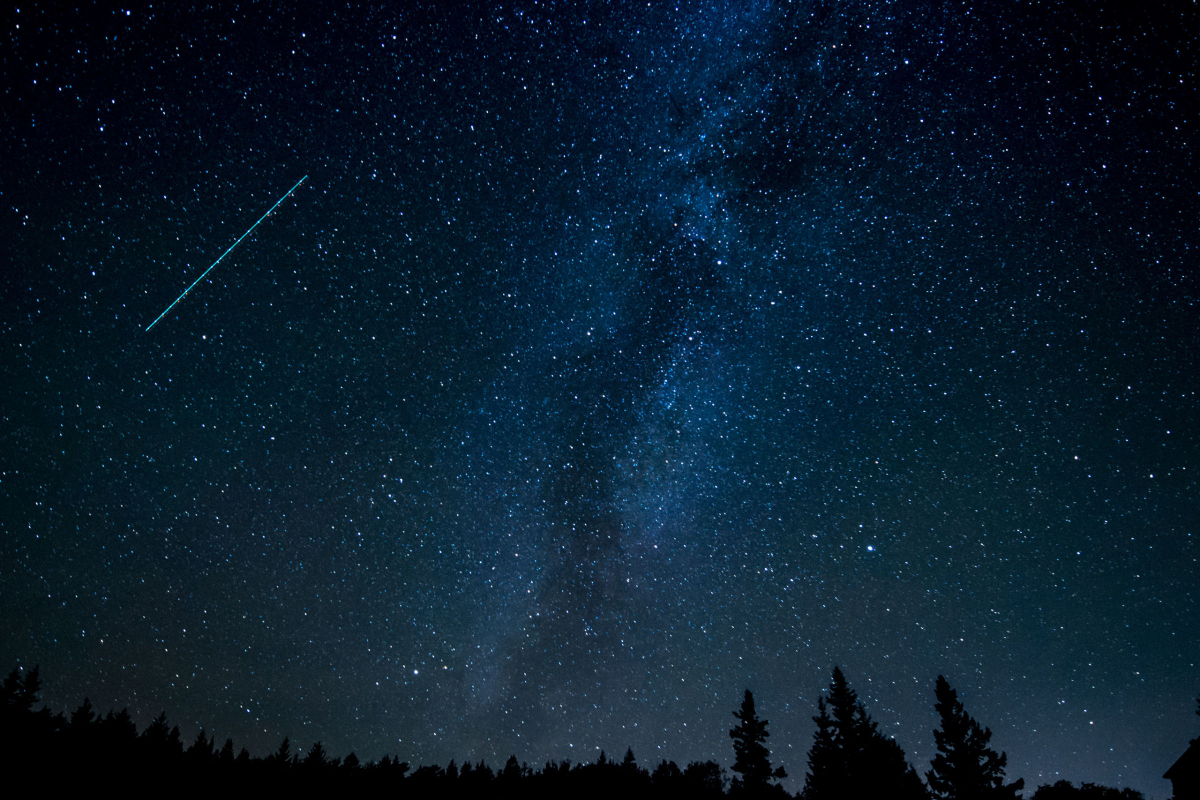
“The Lyrid meteor shower will be the first significant meteor shower in a few months,” AccuWeather Astronomy Blogger Dave Samuhel said. With the waxing moon, there should be little interference from moonlight after the moon sets around midnight.
The Lyrid meteor shower is an annual shower and is one of the oldest, dating back to at least 687 B.C when it was first observed by Chinese astrologists. Earth is crossing the orbital path of the Comet Thatcher, which causes pieces of the comet to enter into the atmosphere. These pieces burn, which causes the streaks of light we see across the sky.
While it won’t be as dazzling of a show compared to the Perseids meteor shower occuring in August, the Lyrid’s will provide a much more pleasant viewing experience with overnight temperatures in the mid 70. Some cloud cover is expected Sunday and Monday night, but there should be enough breaks in the clouds to spot meteors. If you are unable to catch the shower this weekend, you can try again the following weekend.
The evening of May 6 and the morning of May 7 will be the peak time for the Eta Aquarid shower. The Earth is passing through debris left over from Halley’s comet, which is the cause of this annual shower. However, if you only have time to see one meteor shower, pick Lyrid’s. More meteors will be visible at a higher frequency.Even though state parks and most trails are closed during the prime meteor viewing hours, you can still find places with minimal lights. Pick a direction and drive about an hour outside of the Phoenix and Scottsdale city limits, away from big lights. The darker the sky the more meteors you will be able to see. The South Mountain, Cave Creek, or Picketpost mountain areas could be good places to escape from the light pollution. To check light pollution in your desired viewing area, check this map.
Tips
To see the most meteors, go about an hour before dawn. Between 1 am and 5 am is the best viewing time.
If you aren’t able to drive away from the city limits of Scottsdale, at least move away from any house or street lights. Any glaring light will interfere with your ability to see the meteors.
Save your neck and lie down to be able to see the full night sky. Since you might be staring up for an hour or more, this will be much more comfortable.
Binoculars or special glasses aren’t needed to see the show and can actually reduce the number of meteors you see because your view will be focused on just one part of the sky. All you need to do is open your eyes!
Plan to stay outside for at least 30 minutes in order to catch a sighting of a few meteors.
In the second half of the night, you will also be able to see Mars and Saturn. Right before dawn, Mercury will be visible as well.
Don't expect to see much around your Old Town Scottsdale condo but I'm guessing that heading north towards Sedona would provide a great place to view the the meteors.